
Discover Tokyo’s hidden corners during the conference. Explore Yanaka, Kagurazaka, Shimokitazawa, and other quiet spots, with practical tips for travellers.
Tokyo is a city where tradition and modern life live side by side. Between the neon lights and tall buildings are quiet streets, old temples, and neighbourhoods that feel like small towns. During an international conference in Tokyo, participants will have a few hours each day to explore the city. This guide highlights lesser-known places that are easily accessible and offer a welcome change of pace from the busy conference program.
Yanaka and Nezu – the spirit of old Tokyo
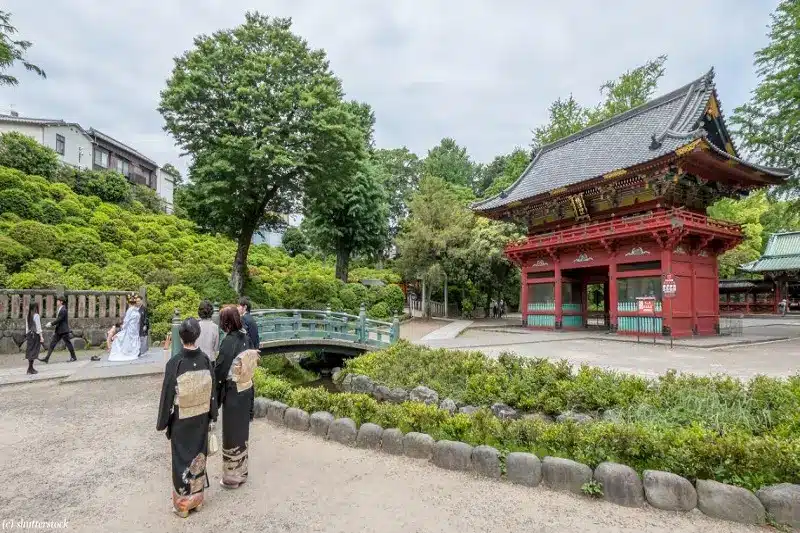
The Yanaka and Nezu areas sit northeast of the central business district and survived many of the fires and redevelopment that changed the city. Narrow lanes lined with wooden houses, small temples, and family‑run shops make this neighbourhood feel like a village. Yanaka Cemetery is a leafy space where locals stroll among old cherry trees. You will find local cats resting on stone walls and craftsmen working in tiny workshops. Nearby, the Nezu Shrine is known for its vivid red torii gates that wind through a hillside. Visiting this area takes you back to an earlier Tokyo and shows how people have lived there for centuries.
Kagurazaka – a mix of old and new
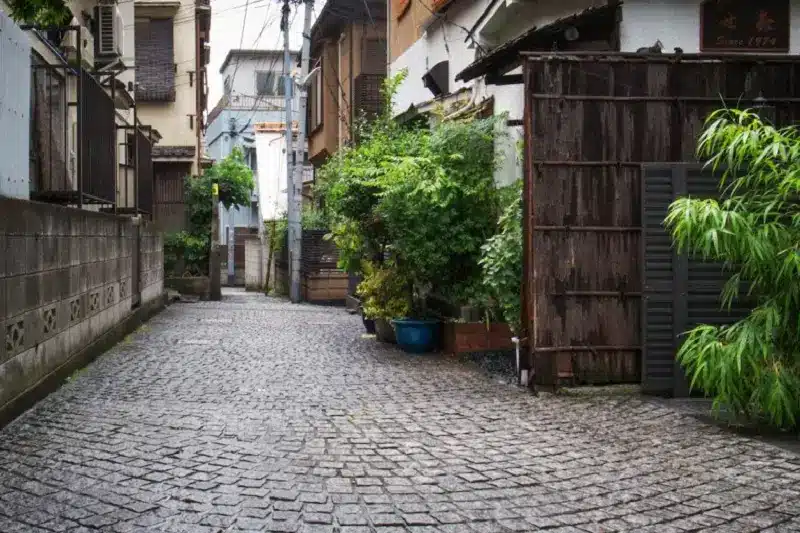
Kagurazaka sits on a slope not far from the Imperial Palace. Once known as a geisha district, it now blends traditional restaurants with French cafés and modern boutiques. Stone alleys lead to hidden shrines and small teahouses. On the main street, you can taste delicate sweets, while side lanes reveal old ryotei (exclusive restaurants) and jazz bars. Kagurazaka’s atmosphere is calm yet lively, making it a pleasant place for an evening walk after conference sessions.
Shimokitazawa – bohemian flair and second‑hand shops
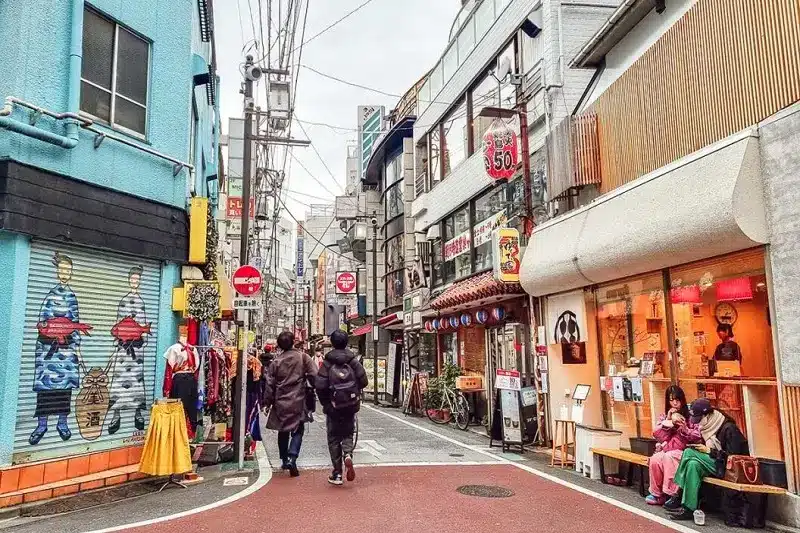
West of Shibuya lies Shimokitazawa, a compact district known for its theatre scene, live music venues, and second‑hand clothing shops. Its streets are too narrow for cars, so you can wander freely among vintage boutiques, record stores, and cosy cafés. Many of the shops are independent and have their own character. Street art brightens walls, and there is always some small performance or flea market taking place. For visitors who like a relaxed, youthful environment away from crowded shopping areas, Shimokitazawa is ideal.
Koenji and Nakano – alternative culture and retro treasures
Koenji and neighbouring Nakano are known for their alternative music scene and retro shopping arcades. Koenji’s covered shopping streets hide tiny bars, ramen stands, and vintage clothing stores. In the evening, the alleys fill with local residents chatting over yakitori and beer. Nakano Broadway, a multi‑storey mall, is famous for its collection of manga, anime figures, and rare toys. If you are looking for unusual souvenirs or simply want to see another side of Japanese pop culture, these districts offer a fun change from mainstream shopping zones.

Omoide Yokocho and Golden Gai – tiny bars and smoky grills
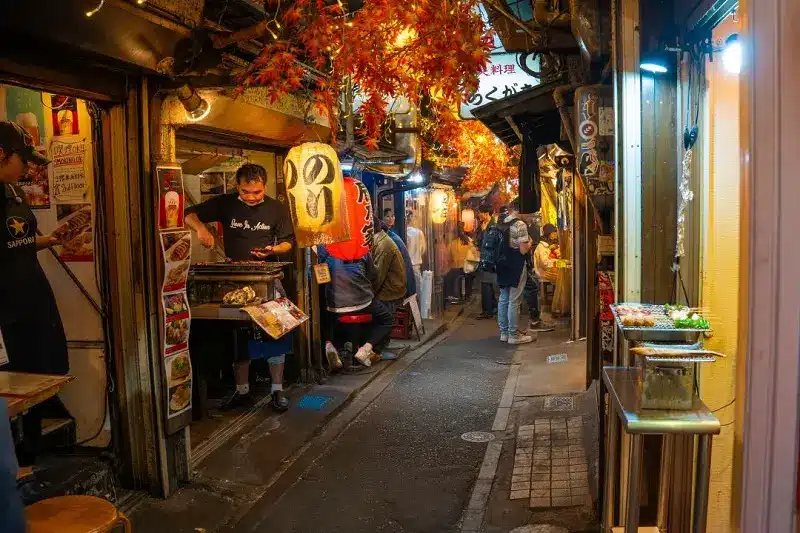
In the heart of Shinjuku, two small areas transport you back to post‑war Tokyo. Omoide Yokocho, whose name means “Memory Lane,” is a narrow passage lined with tiny eateries and bars. The smell of grilled chicken and the sound of friendly conversations fill the air. Most restaurants seat only a few people, creating a cosy atmosphere where strangers share a counter and talk. A short walk away is Golden Gai, a network of six narrow alleys packed with over two hundred small bars. Each has its own theme, from jazz to film noir. Many bars welcome visitors if there is space; a small cover charge is common. These areas are good places to experience the informal side of Tokyo nightlife without the bright lights of large entertainment districts.
Gotokuji Temple – home of the beckoning cat
In Setagaya, away from the centre, stands Gotokuji Temple, considered the birthplace of the maneki neko, or beckoning cat figurine. The temple grounds are calm and shaded. A corner of the complex is filled with hundreds of white cats with raised paws placed by visitors wishing for good fortune. Aside from the famous cats, the temple’s wooden pagoda and stone lanterns provide a peaceful setting. Visitors can purchase a small figurine to take home as a memory of their wish.

Kiyosumi Garden – a classical strolling garden
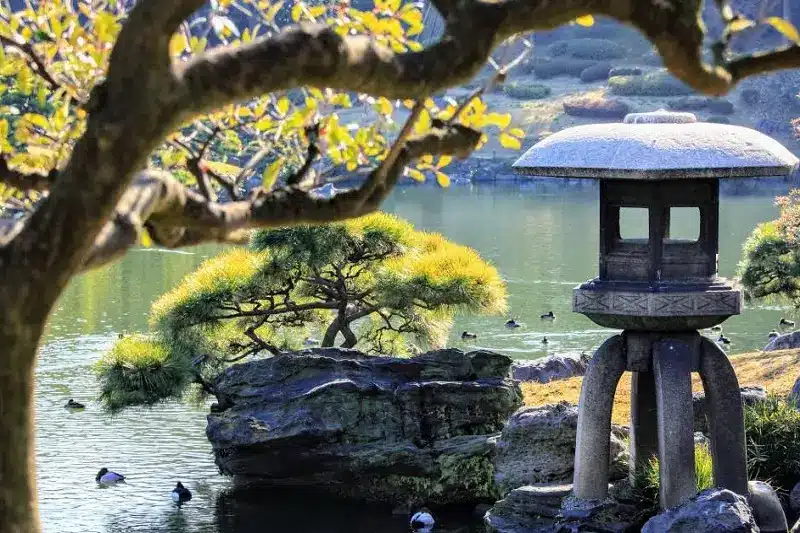
Kiyosumi Garden is a landscaped strolling garden in the east of Tokyo. It features a large pond with stepping‑stone paths that cross the water, small islands, and carefully placed rocks brought from different parts of Japan. The garden displays seasonal flowers and is especially beautiful during iris season. Seating areas around the pond provide quiet spaces to rest and watch colourful koi fish. This garden is less crowded than more famous parks and offers a calm refuge during a busy day.
Sumida Hokusai Museum and local artisans
Not far from the modern Tokyo Skytree stands the Sumida Hokusai Museum dedicated to Katsushika Hokusai, the ukiyo‑e artist known for The Great Wave off Kanagawa. The museum presents his life and works through interactive exhibits and original prints. Around the museum, the Sumida district hosts small workshops where artisans make paper, textiles, and sweets using techniques passed down through generations. Visiting these workshops requires advance arrangement but offers insight into the craft traditions that shaped Japanese art.

A practical dining guide for conference attendees. Sample sushi, ramen, tempura, and vegan dishes across Tokyo’s varied neighbourhoods with etiquette tips.